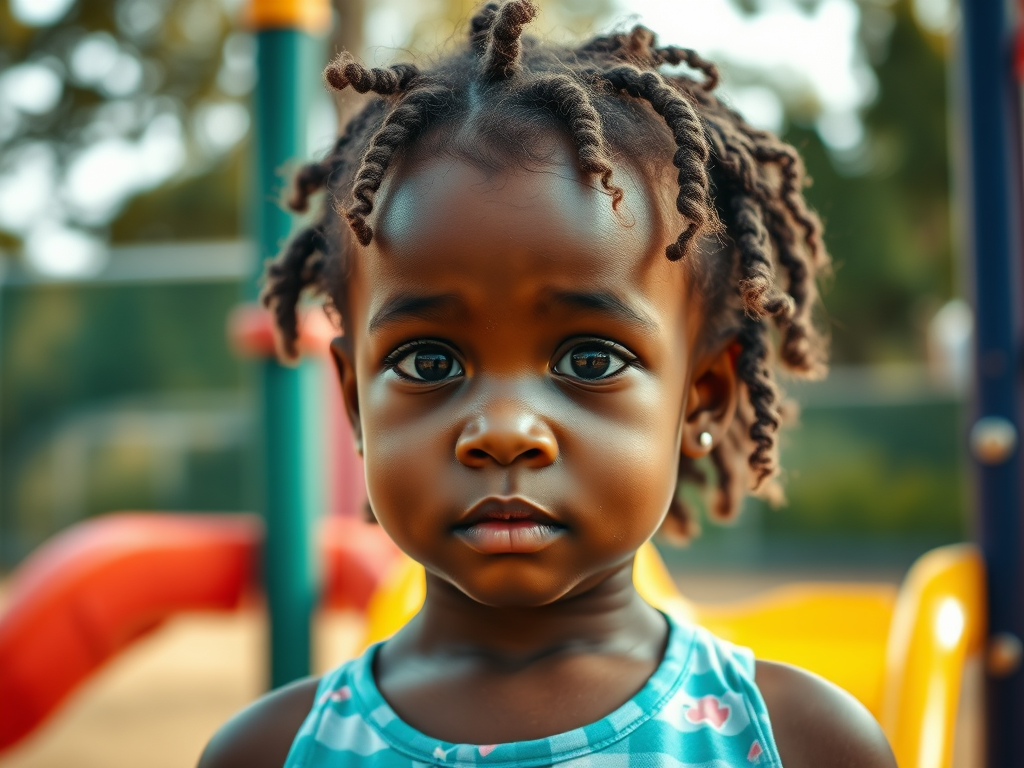
Growing up, Mia always felt a quiet emptiness that she couldn’t quite name. Her childhood, although surrounded by the familiarity of home, was often marked by an absence of warmth that she couldn’t ignore. While other children seemed to have an easy, instinctive bond with their parents, Mia struggled. The love she sought from her mother never seemed to materialize in the way she needed. Her mother’s love was distant, inconsistent, and, at times, almost detached. Mia’s needs were often overshadowed by her mother’s own emotional distance and struggles, leaving Mia to fend for herself emotionally, trying, and failing, to feel a deep connection with the one person who should have been her closest confidante.
From an early age, Mia observed the lack of nurturing in her relationship with her mother. There was no warm embrace after a long day, no encouraging words when she was faced with challenges, and no validation of her feelings. Her mother seemed preoccupied, focused more on her own world than on Mia’s needs. As Mia grew older, the void only deepened. In school, while her peers ran to their mothers for comfort, Mia learned to retreat into herself, holding her emotions close. She carried a quiet ache, never feeling the unconditional love that she saw in others. When her friends spoke about their mothers with warmth and fondness, Mia would smile politely, but inside, the longing was unbearable.
This absence of love from her biological parents—especially from her mother—cast a long shadow on Mia’s adult relationships. She sought validation in every romantic partner, searching desperately for the affection and approval she never received as a child. Each relationship began with hope, but soon, her unmet needs would surface. She would feel disconnected or misunderstood, unable to truly trust the love she was being given. She constantly questioned whether she was worthy of love, a habit she’d unconsciously learned growing up. This insecurity would often lead to tension, arguments, and eventually, heartbreak. She couldn’t help but wonder, “Why can’t I feel loved the way others do?”
As Mia navigated her relationships, the pattern was always the same. She would pour herself into her partners, hoping they would fill the void left by her mother, only to feel unsatisfied, lost, and uncertain. The cycle of trying to heal wounds with external validation never worked. Mia’s struggle wasn’t about finding the right person; it was about finding a way to love herself when the love she craved from her parents was never forthcoming.
Mia’s story isn’t uncommon. Many people, especially those who didn’t receive the love and support they needed from their biological parents, struggle with deep feelings of inadequacy and seek to fill that void with external sources of love. However, Mia needs to realize that her healing doesn’t depend on changing her parents, but on changing her relationship with herself. Her mother may never be the nurturing, warm figure she dreams of. And the truth is, Mia can’t force her mother to love her in the way she needs or deserves.
The most crucial step Mia must take is to accept that her parents—especially her mother—may never be able to offer the love she wants. It’s a painful realization, but it’s essential for her emotional freedom. Mia must let go of the hope that they will suddenly become the loving, attentive parents she longs for. Instead, she needs to learn to love herself fully and to heal the wounds of her past. Self-love isn’t easy, but it’s the only love that will truly fill the emptiness. She must surround herself with people who uplift and support her, not to replace her parents, but to build a chosen family of love and care.
By letting go of the unrealistic expectation that her parents will change, Mia can finally free herself from the cycle of seeking validation from others. Only then can she move forward into healthier, more fulfilling relationships. True love—starting with self-love—will help Mia heal and embrace the life she deserves.
Do you know a Mia?
Are you a Mia?
Do you have an advice for Mia?

 Itsup2you